
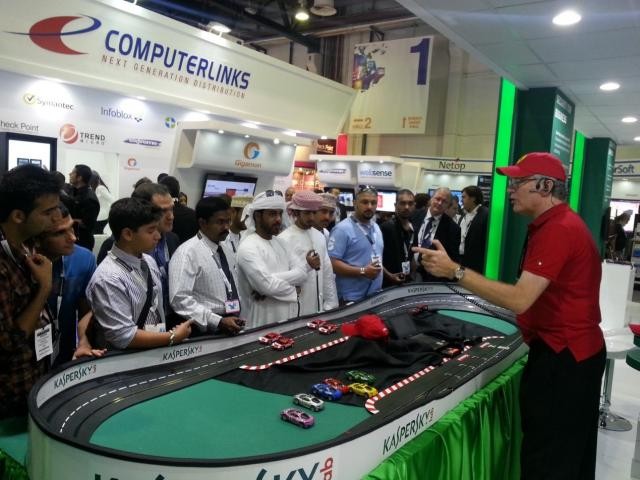
Summary: Experiential Marketing Activations help brands create memorable connections by turning passive audiences into active participants. Through interactive games, live demonstrations, racing challenges, and hands-on activities, businesses can encourage conversations, strengthen brand recall, and support lead generation. Well-planned Experiential Marketing Activation Ideas can make trade shows, conferences, and corporate events more engaging and meaningful.
Why do some brands stay in your mind while others are forgotten minutes later? Traditional advertising can show people a message, but Experiential Marketing Activations invite people to experience it. That simple difference can create stronger memories, more natural conversations, and deeper brand connections. For businesses using trade shows, conferences, and live events, an engaging experience can turn a glance into a meaningful interaction.
Why Do Traditional Ads Often Get Forgotten?
Think about how many advertisements people see on a normal day. A person may notice a billboard, scroll past a social media ad, or watch a short commercial. Then, a few minutes later, the message may be gone from memory.
This does not mean traditional advertising has no value. It can build awareness and reach a large audience. However, advertising usually asks people to watch, read, or listen. An experience asks people to do something.
What Makes an Experience Stick in Someone’s Mind?
Memory becomes stronger when people connect information with an action or emotion. Imagine a visitor attending a busy convention. After walking past dozens of booths, the visitor sees an exciting racing challenge. The activity catches attention, creates curiosity, and encourages participation.
Now the visitor has more than a company name to remember. There is a story attached to it. Perhaps the visitor competed with a coworker. Maybe the race came down to the final turn. Perhaps the visitor laughed while trying to beat a score. Those moments can make a brand easier to recall later.
How Does Participation Change the Customer Experience?
Participation puts the visitor in control. Instead of simply receiving a marketing message, the visitor becomes part of the activity. This creates a two-way interaction between the brand and the audience.
The experience can encourage visitors to:
- Stop and participate
- Talk with event staff
- Ask questions
- Explore products or services
- Share the experience with others
The interaction feels less like a sales pitch and more like a conversation.
That softer approach can make visitors more comfortable and open to learning about the business.
Why Does Emotion Matter in Brand Marketing?
People often remember how something made them feel. Excitement, laughter, surprise, curiosity, and friendly competition can all make an event more memorable. When those feelings happen during a branded experience, the positive moment can become connected with the company.
This is one reason live experiences can be so powerful. A visitor might forget a sentence from a brochure. However, a close race or fun group challenge can remain a talking point after the event.
Can Interactive Experiences Create Better Brand Conversations?
Yes. A major challenge with event marketing is starting a conversation without making visitors feel pressured. An interactive attraction gives staff a natural opening.
A team member can ask how the visitor enjoyed the activity or invite a coworker to participate. From there, the discussion can move toward the visitor’s interests, business needs, or questions about the company.
This creates a simple flow:
Attract → Engage → Connect → Discuss → Follow Up
The experience starts the conversation. Your team can then guide it toward a useful business discussion.
Why Are Live Experiences More Social?
Traditional advertisements are often consumed alone. Live experiences can bring people together. A racing attraction, for example, can involve a participant, coworkers, friends, and spectators. People cheer, compare results, take photos, and encourage one another.
That social energy can make the experience feel bigger than the activity itself. One participant may also bring another person to the booth. A coworker might say, “Let me try.” A spectator may become the next participant. The result is a natural cycle of engagement.
How Can Experiential Marketing Support Brand Awareness?
Brand awareness grows when people repeatedly notice and remember a company. A well-planned experience can reinforce the brand throughout the visitor’s interaction. Logos, colors, branded graphics, race cars, digital displays, and leaderboards can all become part of the environment.
The branding does not need to overwhelm the activity. Instead, it should feel connected to the experience. When visitors have fun while seeing the company name and message, the brand becomes part of a positive memory. This can make future recognition easier.
What Makes Racing Such a Strong Experiential Tool?
Racing has a simple advantage: people understand it quickly. Visitors can see a race happening from a distance. The movement creates visual interest. The competition creates excitement. The short format makes it easier for guests to participate without taking too much time away from the rest of the event.
A racing experience can also work for different groups. Coworkers can compete. Customers can challenge one another. Sales teams can create friendly contests. Event guests can watch while waiting for a turn. That flexibility makes racing a practical option for trade shows, conferences, corporate events, and promotional programs.
How Can Businesses Make an Experience Feel Authentic?
An experience should not feel like a random attraction placed beside a booth. The activity should fit the brand, audience, and purpose of the event. Start by asking what the business wants visitors to remember. Then build the experience around that goal.
For example, a company focused on innovation might use a modern interactive setup. A brand that values competition could create a racing challenge. A business focused on teamwork might encourage group participation. The best experiences feel natural because the activity and the brand message work together.
Why Does Professional Execution Matter?
A memorable idea can lose its impact if the setup feels confusing or unreliable. Professional planning helps create a smooth experience from the moment visitors arrive. Equipment should be ready, instructions should be simple, and staff should know how to guide participants.
Nomad Raceways provides interactive racing experiences designed for live events, helping brands create an engaging environment where visitors can participate, connect, and remember the experience. Good execution also protects the brand image. When everything runs smoothly, visitors can focus on having fun and interacting with your team.
Can Experiential Marketing Create Long-Term Value?
The value of a live experience can continue after the event ends. Visitors may talk about the activity with coworkers. Photos may appear on social media. A memorable experience may become part of a later conversation about the company. That creates opportunities for continued brand exposure.
The experience can also support lead generation. When visitors spend more time engaging with a brand, staff gain more opportunities to understand customer needs and identify potential business opportunities. This makes the experience useful both for awareness and for relationship building.
How Should Businesses Measure an Experience?
Fun is important, but businesses also need to understand results. Before an event, decide what success means. The goal could be more booth traffic, stronger engagement, lead generation, product awareness, or customer conversations.
Useful measurements include:
- Number of participants
- Qualified leads
- Visitor dwell time
- Product discussions
- Demo requests
- Follow-up meetings
- Social media activity
These numbers can help show what worked and guide planning for future events.
Is Experiential Marketing More Memorable Than Traditional Advertising?
Experiential Marketing Activations can create a different kind of connection because visitors actively participate in the brand experience. Traditional advertising can communicate a message quickly, while live experiences give people a chance to see, touch, play, compete, and interact.
The two approaches do not have to compete. A strong marketing plan can use advertising to attract attention and experiential marketing to deepen the connection. The important point is to give people something worth remembering.
Conclusion: Turn a Marketing Message Into a Real Experience
The biggest problem with event marketing is not always getting noticed. It is being remembered after the event is over. Traditional advertising can tell people about a brand, but an interactive experience gives them a chance to feel part of it.
The right Experiential Marketing Activation Ideas can create stronger memories, natural conversations, social interaction, and useful opportunities for lead generation. With thoughtful branding and professional execution, businesses can turn a busy event into a meaningful customer experience. The solution is simple: do more than show visitors what your brand offers. Give them a reason to stop, participate, enjoy the moment, and remember your company when the event is over.
FAQs
1. What is experiential marketing?
Experiential marketing lets customers interact directly with a brand through live, hands-on, or interactive experiences.
2. Why are experiential experiences memorable?
Participation and emotion can help people form stronger memories around a brand.
3. Is experiential marketing better than traditional advertising?
Each approach serves a different purpose, with experiential marketing focusing more on direct interaction and participation.
4. Can experiential marketing help generate leads?
Yes, interactive experiences can create natural opportunities for conversations and lead collection.
5. What types of events use experiential marketing?
Trade shows, conferences, corporate events, product launches, and promotional events can all use interactive experiences.